
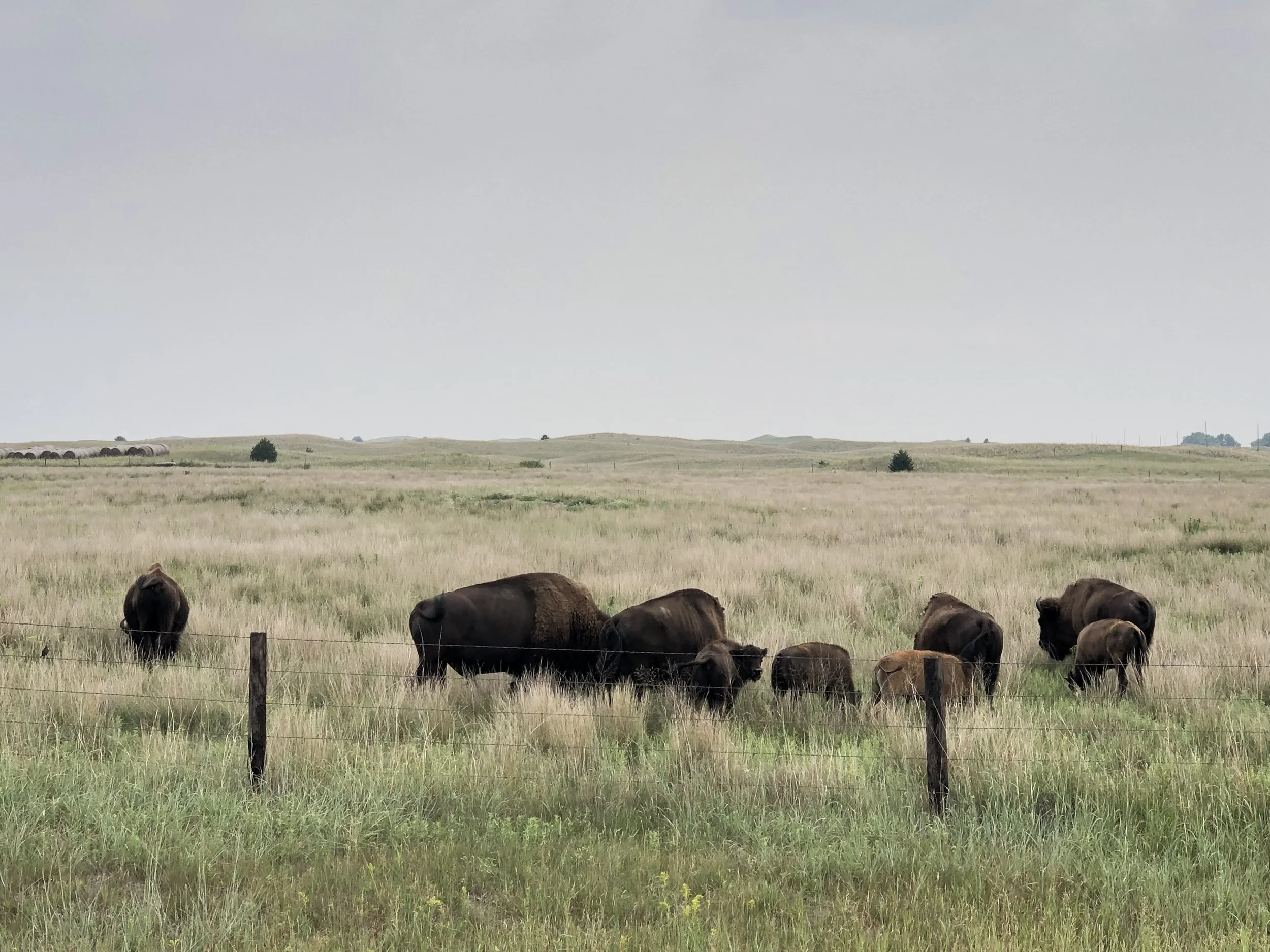
Nebraska
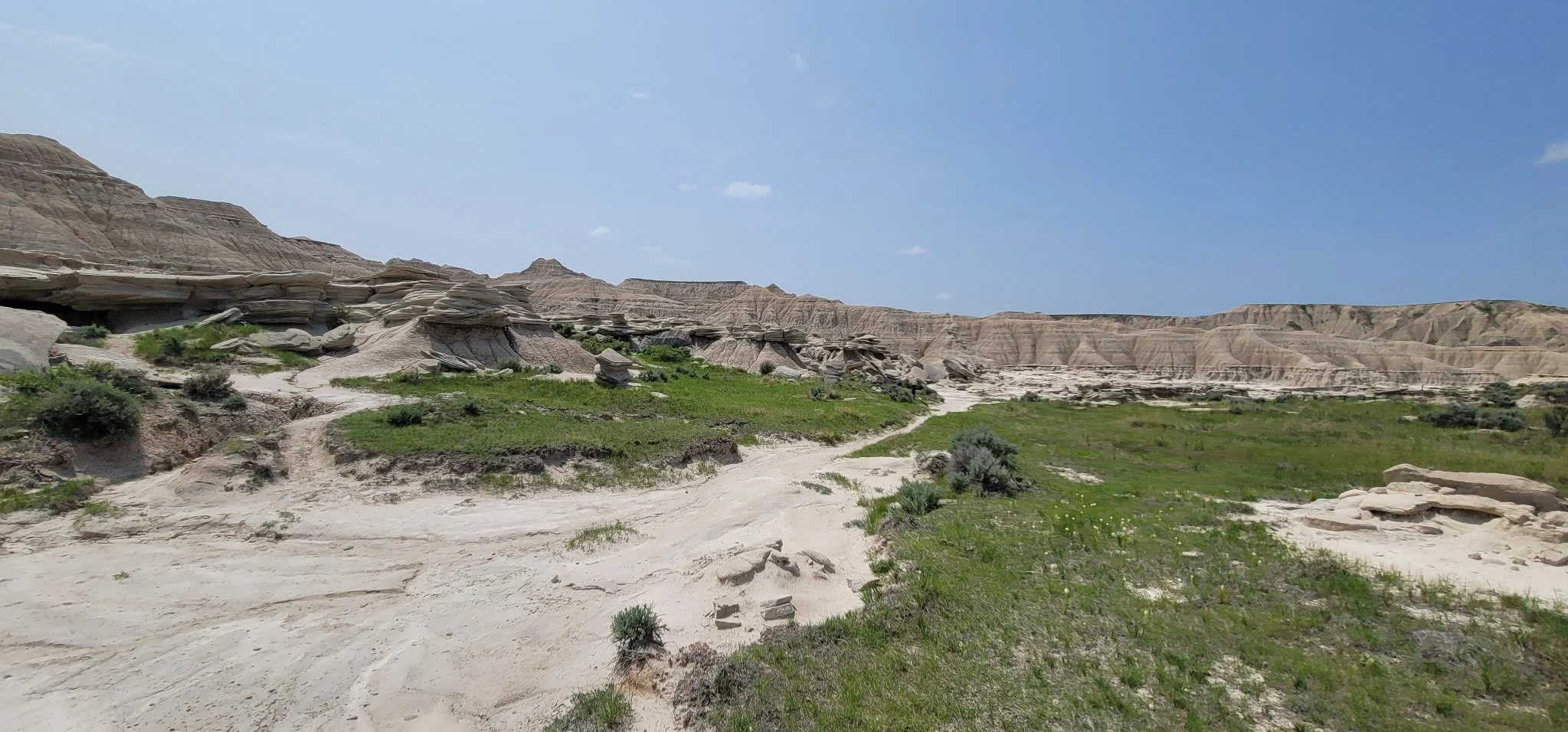
Toadstool geological park / Harrison Nebraska
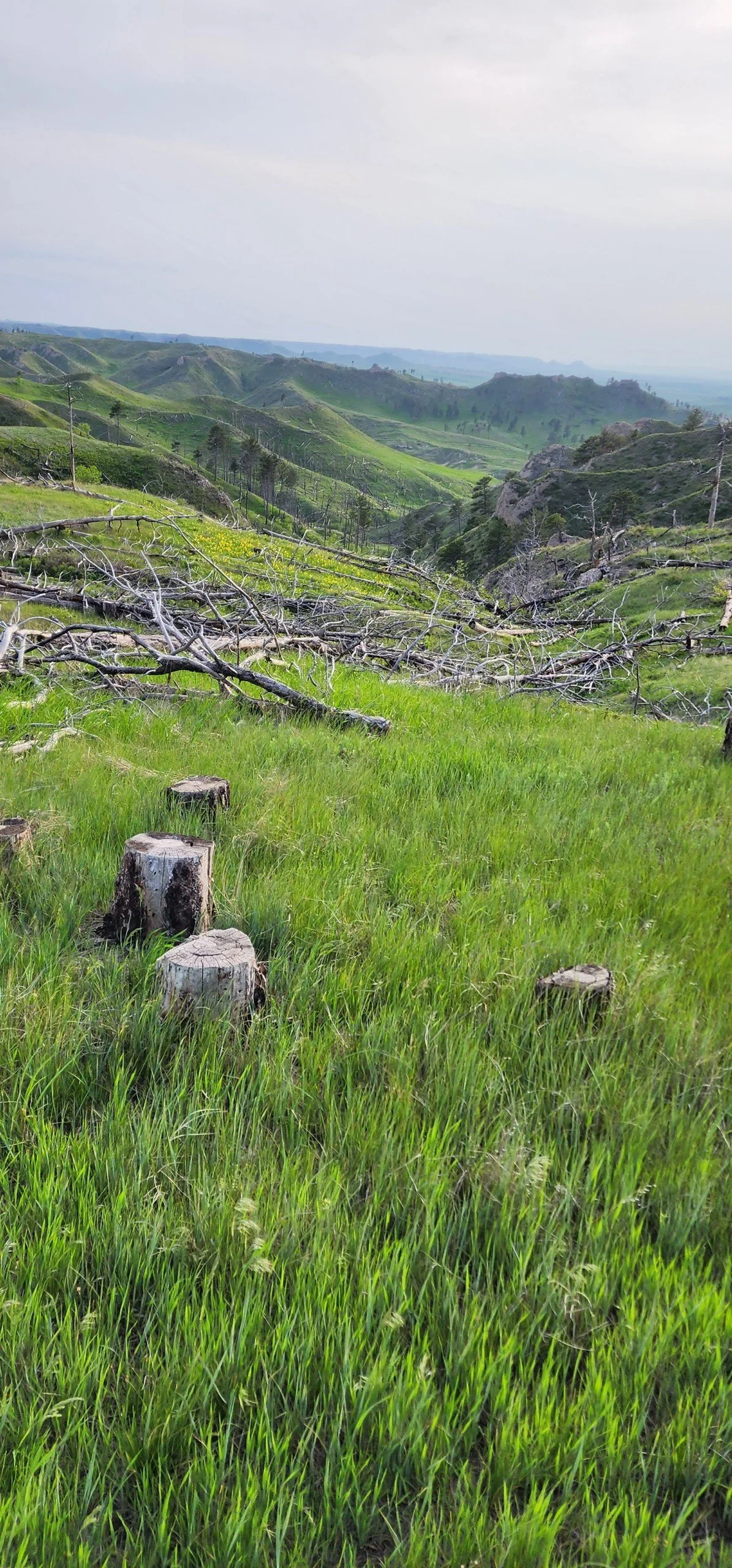
Chadron State Park / Chadron, Nebraska
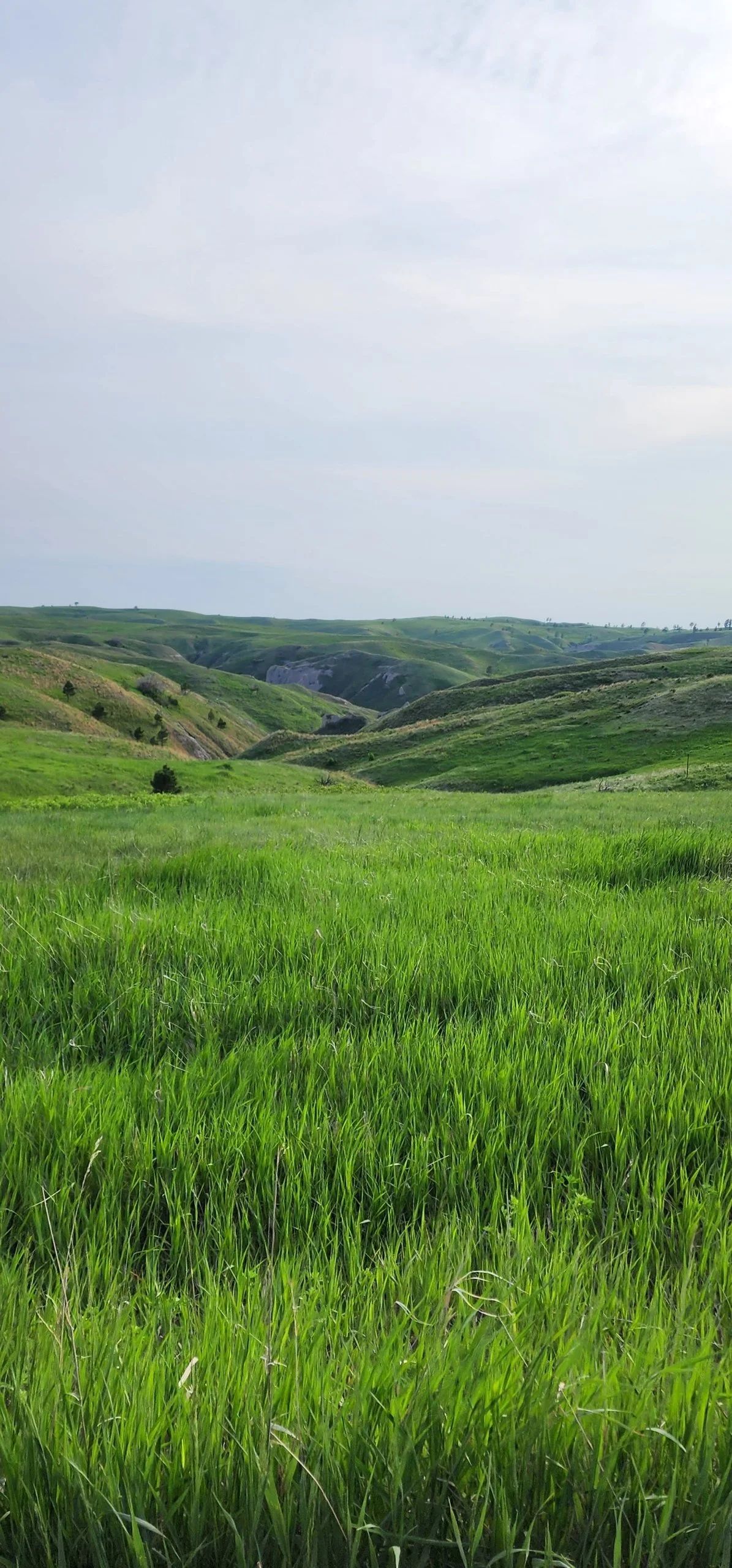
Chadron State Park / Chadron, Nebraska
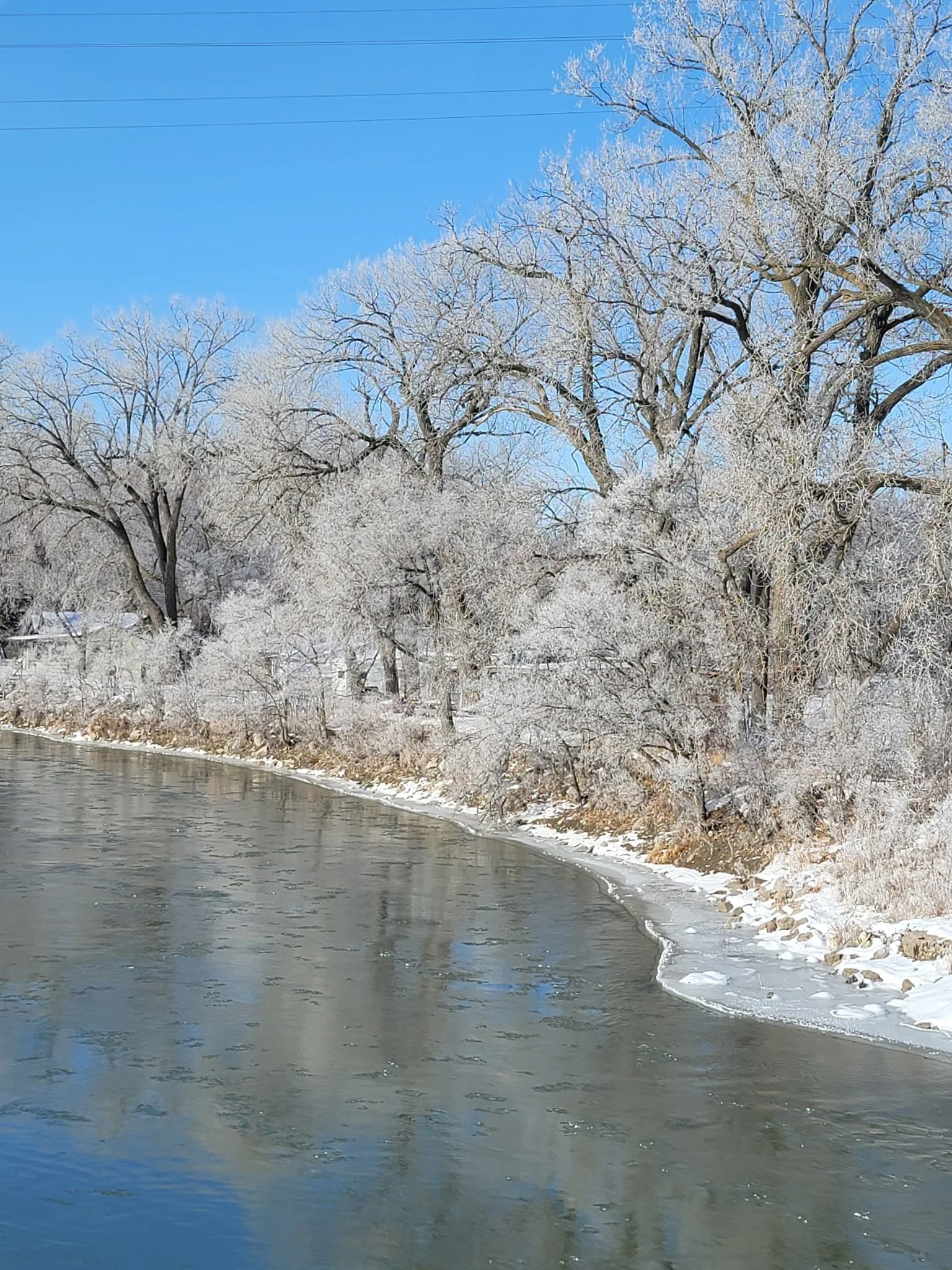
Platt River State Park / Louisville, Nebraska
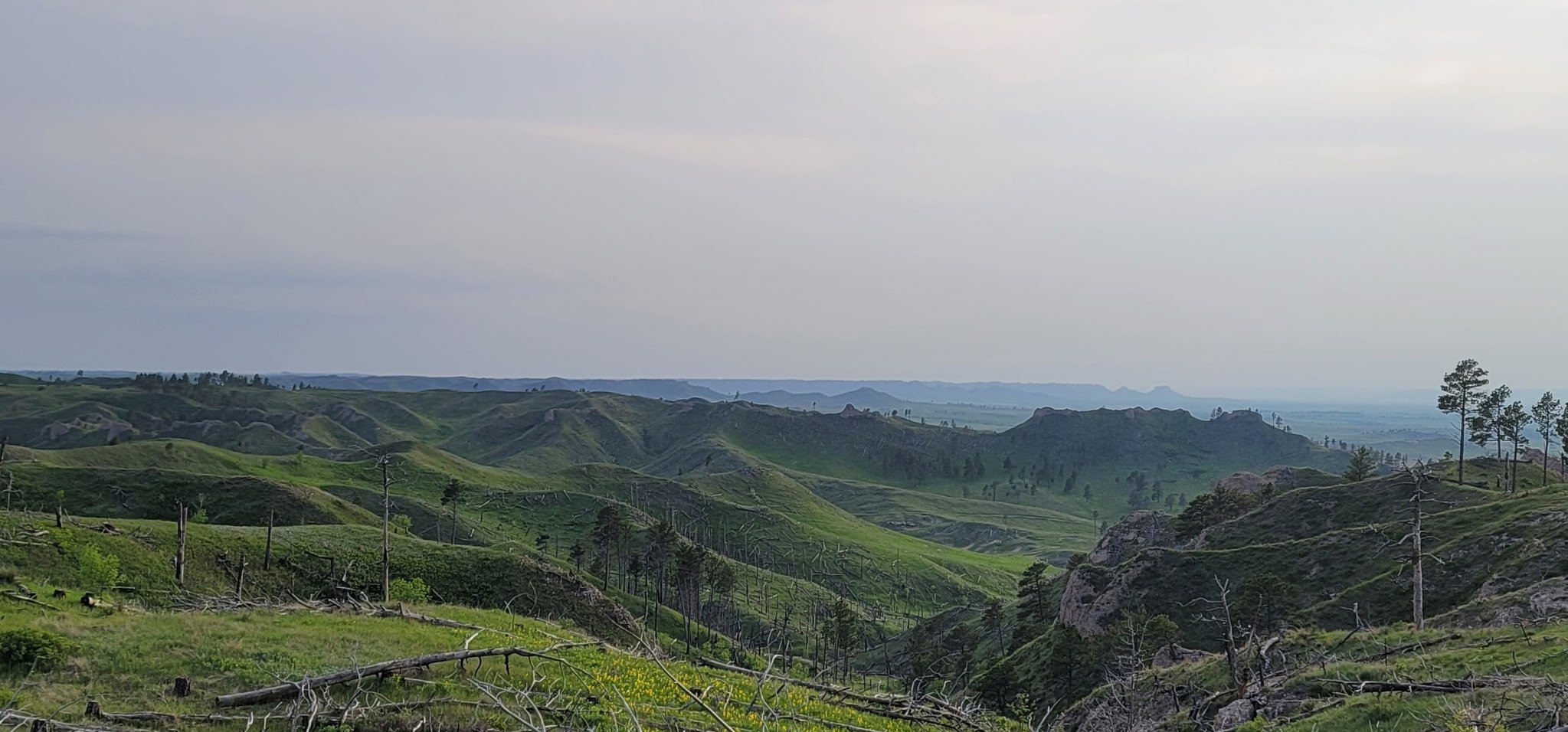
Chadron State Park / Chadron, Nebraska
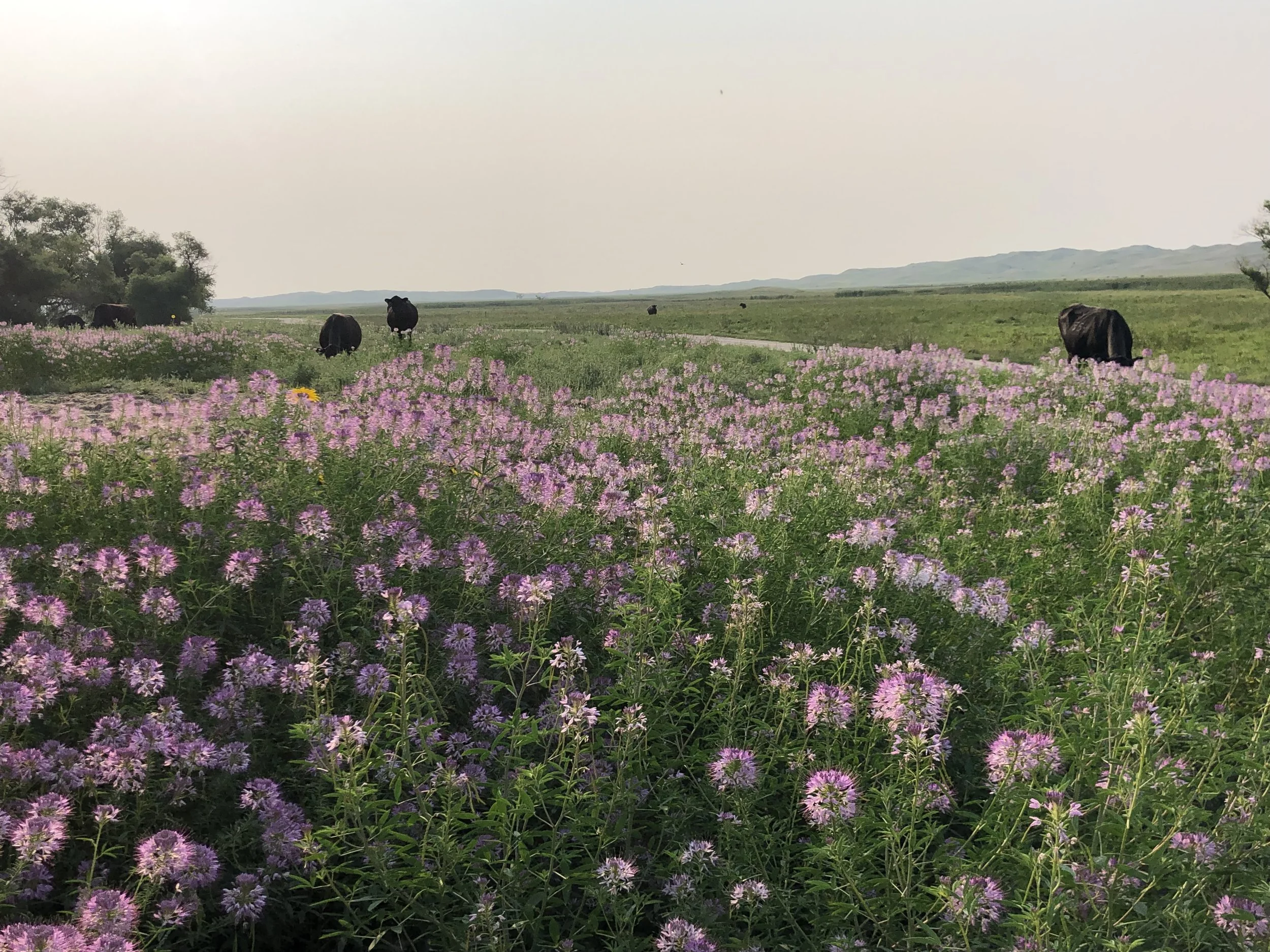
Valentine Nebraska
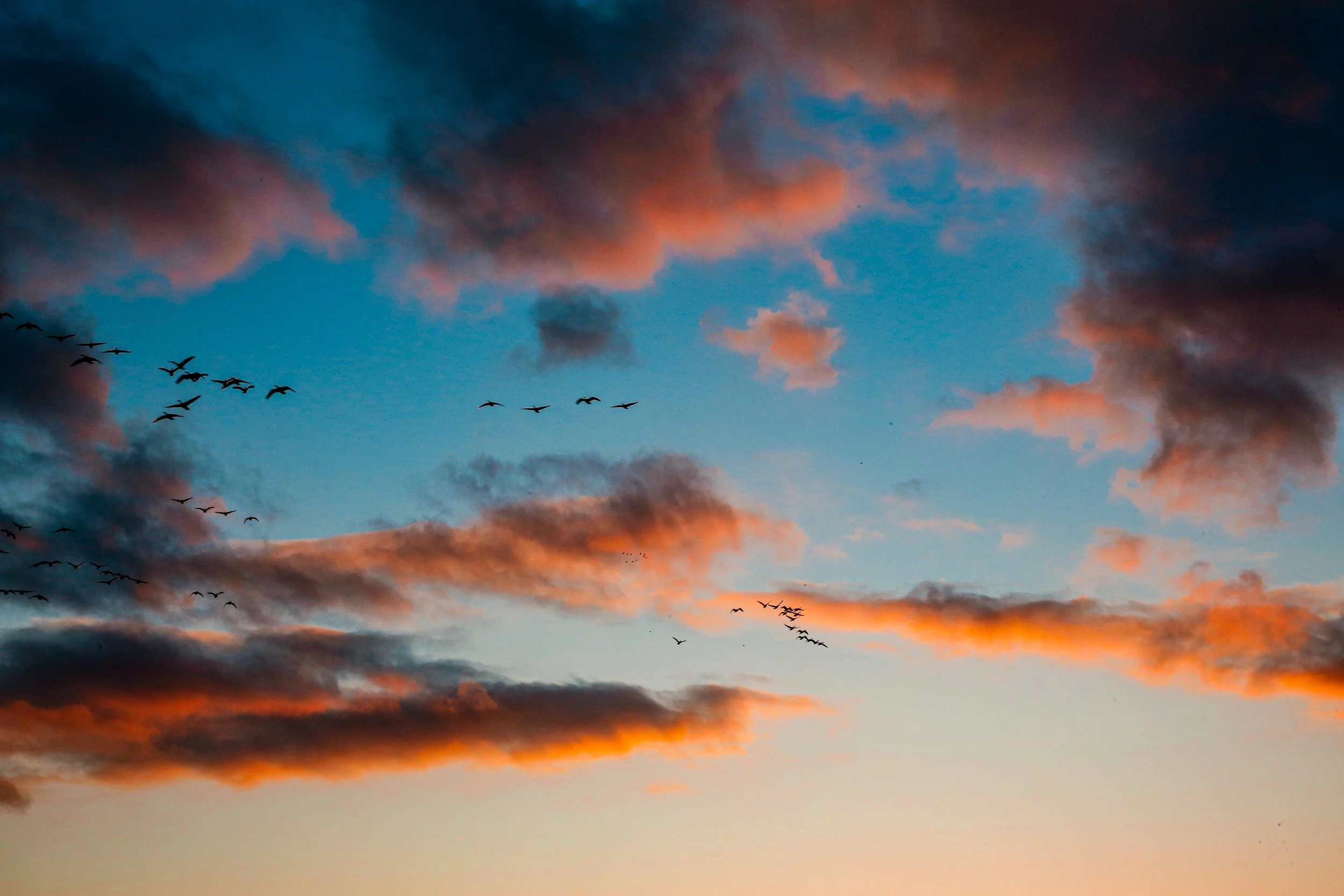
Nebraska Geography
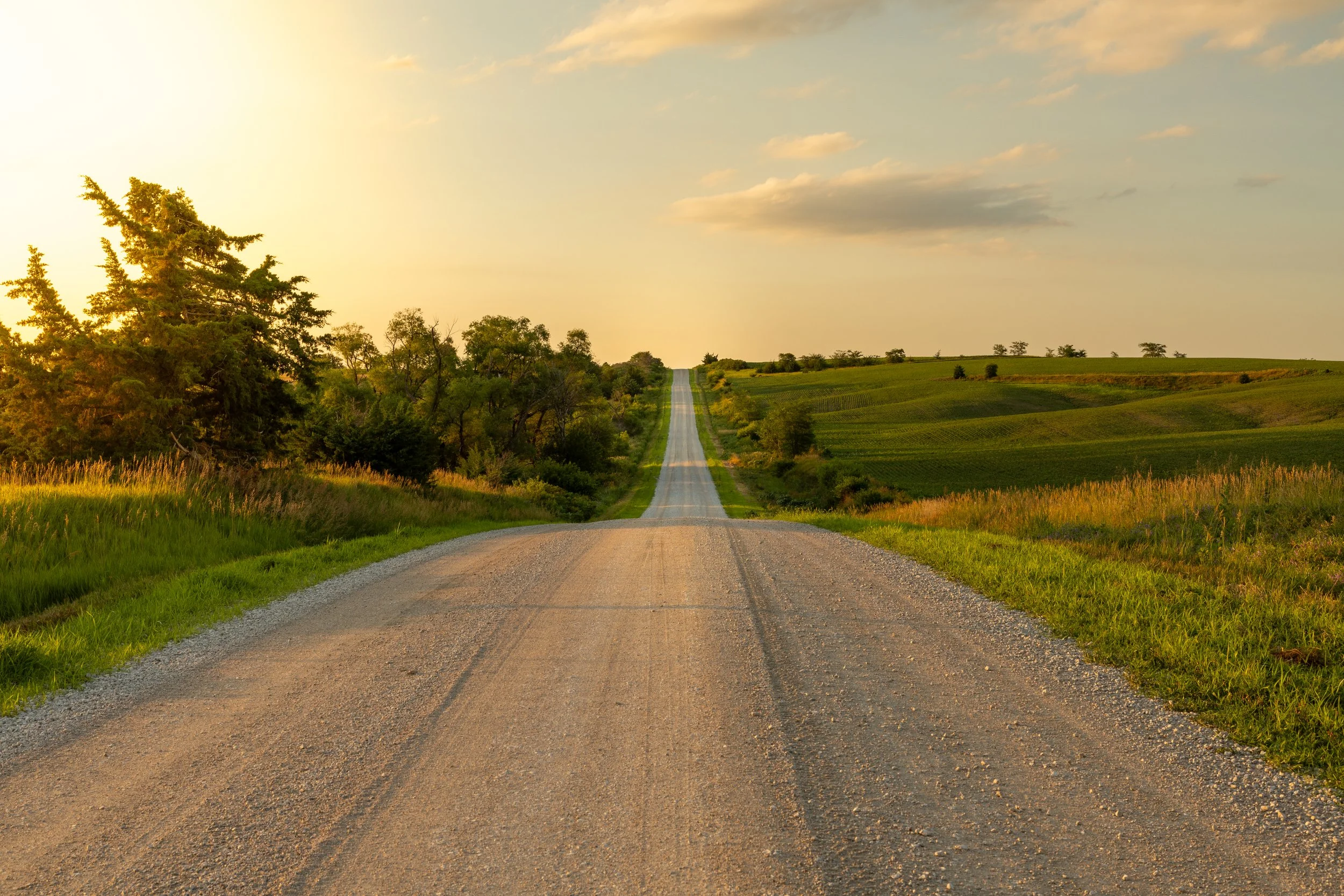
- Nebraska has five distinct geographic regions, including the Sandhills and Pine Ridge.
- The Sandhills are the largest intact grass-stabilized dune system in the Western Hemisphere.
- More than 85% of Nebraska’s land is used for agriculture.
- The state sits entirely within the Great Plains.
Water & Wetlands
- Nebraska has more miles of rivers and streams than any other state.
- The state overlies much of the Ogallala Aquifer.
- Wetlands in Nebraska range from rainwater basins to Sandhill marshes.
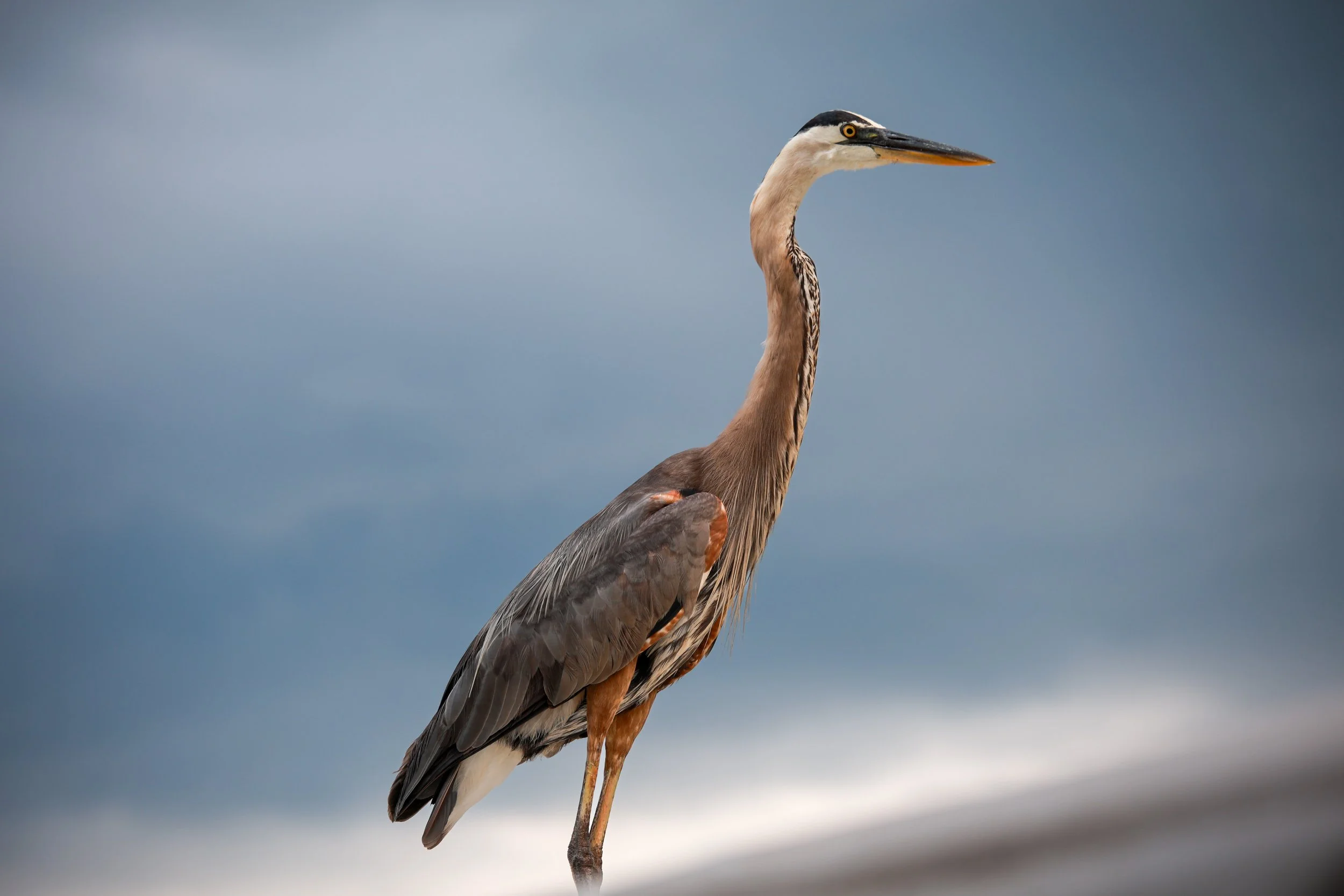
- These wetlands support millions of migrating birds annually.
Wildlife & Migration
- Nebraska lies at the heart of the Central Flyway.
- Each spring, over 500,000 sandhill cranes stop along the Platte River.
- The state supports pronghorn, plains bison history, and large whitetail populations.
- Nebraska hosts over 400 recorded bird species.
Fishing & Outdoor Recreation
- Nebraska offers both warm- and cold-water fisheries.
- Trout streams exist due to cold groundwater flow, especially in the north-central region.
- The Niobrara region supports canoeing, fly fishing, and backcountry camping.
- Public access areas exceed one million acres statewide.
History & Culture
- Nebraska was a major corridor for westward expansion.
- The Oregon, Mormon, and Pony Express Trails crossed the state.
- Many towns developed along rivers, railroads, and early trails.
- Native tribes including the Pawnee, Omaha, and Ponca shaped the land’s history.
Playa wetlands are shallow, seasonal basins that collect rain and snowmelt. Though often dry, they are critical migration stopovers and help filter runoff.
Riverine wetlands form along rivers such as the Platte, Niobrara, and Missouri, shaped by seasonal flooding.
Groundwater-fed wetlands in the Sandhills form one of the most intact wetland systems in North America.
These rare wetlands contain high mineral or salt concentrations and support specialized plant and animal communities.